


Do you see any upward trends in the
US and European influence in the South Caucasus? Would you forecast the most
effective direction of Armenia’s integration vector?
Historically,
the Caucasus has been interesting to big actors in the region, and the fight
for the influence in the region gathered pace following the collapse of the
Soviet Union. The USA and its NATO allies began ousting Russia from the region
after the U.S. Congress announced the Caucasus an area of vital interests of
the United States in 1997. In fact, a
conflict of political and economic interests of the countries in the region and
outside it - Russia, USA, EU, Turkey, Iran and other countries and military and
economic alliances - emerged in early 21st century. However, the EU policy in
the region has intensified amid the sluggish policy of the USA in the South
Caucasus. As part of the Eastern Partnership Project, all the three countries
in the region are conducting active bilateral negotiations with the EU for the
Association Agreement, which will come to replace the agreements of partnership
and cooperation that were signed yet in 1996. The new agreements cover a
broader spectrum of issues and will become a new legal basis for the relations
of the South Caucasus states and Brussels. I think the Armenia-EU expanding
cooperation may become an effective direction of Armenia's integration
vector. However, this issue must be
studied without fanatics. Armenia is not likely to join EU. I am not sure that
it is necessary. Consequently, if Armenia's full integration into Europe is
difficult to achieve, one should admit that geographic, economic and, finally,
political-legal objectives point at the Eurasian direction.
NATO influences Georgia and
Azerbaijan by means of Turkey. Armenia is a member of the CSTO, while Georgia
is striving for NATO. Does it mean that Russia keeps its influence in the South
Caucasus by means of Armenia and the balance of forces is shifting in NATO’s
favor?
The influence of Russia in the South Caucasus is
decreasing. Guided by the post-empire admissions however Russia is resolute to
remain the key foreign player in the South Caucasus in the short-term and
mid-term outlook. Watching the Caucasus as an area of its influence, Russia is
keen to see a NATO less active and more restrained in the region. Extension of
the NATO area in the South Caucasus by Georgia and Azerbaijan joining the
alliance, which will not happen in the near future, as well as with deployment
of the military contingent and the elements of the military infrastructure of
the USA and NATO in the territory of the region would deteriorate the situation
in the Caucasus direction for Russia. This problem has become more relevant
after the USA and Turkey agreed on deployment of the elements of the NATO
antiballistic missile defense in the territory of Turkey. To support the
relative balance of forces in the region, Moscow has strengthened its military
base in Gyumri bordering to Turkey. This may be assessed like an attempt of
creation of a counterstand for security of Russia and the southern borders and
for the western containment. It is very much possible that Russia may use its
102-nd military base in Gyumri to take preventive measures in case if Turkey
launches military actions as NATO's ally. For its part, having the only front
in the conflict with Azerbaijan, Armenia will use the 102-nd military base and
its joining the CSTO anti-missile defense system as a constraining factor and a
trump card against Baku, which keeps strengthening its military potential. In
this context, one can expect Moscow to keep fighting for the regional influence
through strengthening of the military and technical potential of its bases in
the South Caucasus, trying in such a way to reshape the pro-Western policy of
Georgia and Azerbaijan.
Azerbaijani Mass Media have reported
that Azerbaijan has terminated all the negotiations with Russia for purchase of
new weapons and military hardware. Over the last 5 years, Azerbaijan has
acquired weapons for 1.7 billion from Russia. Simultaneously, the Azerbaijani
media reported on ‘an unexpected softening of terms of the sale of weapons for
the South Caucasus countries by the European producers.’ Will Israel take
advantage of the situation and boost export to Azerbaijan?
Today Israel delivers military equipment to Azerbaijan
in rather a high volume. For this reason, I don't think that the sudden
softening of the weapon sale conditions for the South Caucasus states will
affect the volumes of the current and future contracts with Azerbaijan. One
needs to realize that business is first, and all the rest problems of the
regional influence come after it. Azerbaijan owns big funds, and Israel
produces high quality military equipment. In this context, I should also say
that Baku purchases limited volume of arms from the USA due to opposition by
representatives of the pro-Armenian members of US Congress. Azerbaijan’s weapon purchases from Russia are
also limited because of the latter's alliance with Armenia. There is no such
problem with Israel.
Armenia demands the world community
to recognize the fact of the Genocide of Armenia in Ottoman Turkey. Do you
think that this policy of Armenia pursues the right goals or it needs any
corrections or alterations?
Armenia
has been fairly demanding from the world community to recognize the fact of the
Armenian Genocide in Ottoman Turkey during the World War I. I should confess
that the fight for the historical memory of that tragedy bears fruit. I hope
very much that Israel will also join the states that have already recognized
the fact of the Armenian Genocide. So, Armenia has been acting correctly from
the strategic point of view. As for the tactical steps, it has to think about a
little correction of its attitude towardsTurkey and try to use the Israeli
principle of relations with the Palestinians. If we rephrase this principle for
the Armenian-Turkish relations, it may be voiced as follows: to develop trade
and economic relations with Turkey, as if there is no problem of the Genocide
recognition and harshly demand Turkey to recognize the Armenian Genocide, as if
there are no business relations with Turkey. To be honest, there is one problem
here: it takes two to tango.
Recent
air attacks of the Israeli air forces on the territory of Syria aimed to
prevent arms delivery, by official data. What goals did that operation really
pursue? How much does the replacement of predictable Bashar
Assad's regime by the decentralized rebels meet Israel's interests?
Tel-Aviv
does not interfere with the conflict in Syria because of many reasons. First,
if Syrian opposition topples Bashar Assad's regime, it will hardly become a
friend of Israel. At the beginning of the Syrian conflict, Israel thought that
it is impossible to topple Assad, and it is better for Jerusalem if he remains
in the power. However, for the last year we have come to the conclusion that
Assad is doomed, but we are not going to support the rebels and go on
conducting the wait-and-see policy. Both
Assad's victory and that of the rebels, which may possibly want to attack Israel,
are bad scenarios of ending of the Syrian conflict for Israel. It is clear
today that Israel will not let modern weapons to fall into the hands of such
terrorist organizations like "Hizballah". As for the recent air
attack of the territory of Syria by Israel's air forces, I should confess that
they were really made first of all not to allow modern weapons to occur into
the hands of Hizballah. Moreover, by its attack Israel warned all the parties
to the Syrian conflict that the attempts of using or transferring chemical
weapons to terrorists may lead to another big tragedy, which nobody wants.
Tel Aviv perceives Moscow’s decision
to deliver S-300 air defense missiles to Syria as a threat, as it may lose its
air domination and refuse neutrality in the Syrian conflict. The Israeli prime
minister personally tried to persuade the Russian president not to deliver
S-300 to Syria. How will that problem be
settled?
Syria's air defense is considered one of the best in
the world also thanks to Russia. As regards the contract for delivery of S-300
missiles, it was signed yet in 2010, but was suspended. Experts in
the USA and Israel say that possible sale of S-300 to Syria will not only
strengthen Assad, but also trigger a new stage in the fight of Russia and USA
for influence in the region. In this situation, it is Israel that seeks
stability trying not to allow the conflict to expand and the Islamic radicals
in Syria and Lebanon to get armed. Under pressure of Tehran, President of Syria
Assad had already ordered the army not to impede actions of the militants on
the border with Israel against the Jewish country. In addition, the religious leader of Iran
Ayatollah Khomeini is known to have charged Commander of the Qods Force General
Soleimani to 'tackle Israel' and supervise the situation in Syria. In this
situation of the Syrian crisis, great hopes are pinned with the expected
international conference that will involve representatives of the Syrian
authorities and opposition. The event is initiated by U.S. Secretary of State
John Kerry and Russian Foreign Minister Sergey Lavrov. Zinker thinks that the
only obstacle to the conference is that it is very difficult to make the
conflicting parties sit at a negotiating table. The Syrian leadership has
agreed to negotiate, while the United Opposition has set a precondition to its
participation in the negotiations in Geneva i.e. the opposition demands
resignation of president Assad. Nevertheless, in the light of all the latest
events, I hope that the political methods of managing the Syrian crisis are not
run out. It is high time for the leading superpowers to display a more serious
attitude towards possible consequences of a large-scale conflict in the Middle
East.
















 Քաղաքագետ․ Քանի դեռ ընդդիմությունը լռում է, Փաշինյանը կարող է օգտվել պլան "Բ"-ից և ստանալ սահմանադրական մեծամասնություն
  Թուրքագետ․ Իրանի և ԱՄՆ հռչակագիրը քաղաքական-տնտեսական առումով ավելի շահավետ է Իրանի համար
 Քաղաքագետ․ Մինչ Փաշինյանը վստահեցնում է Ադրբեջանի հետ խաղաղության մասին, Բաքվում շարունակում են առաջ տանել Հայաստանի տարածքներն ադրբեջանցիներով բնակեցնելու նախագիծը
 Քաղաքագետ․ Նոր իրավիճակում պաշտոնական Երևանը կարող է Բաքվին առաջարկել խաղաղության գործընթացը շարունակել առանց ՀՀ սահմանադրության շուրջ հանրաքվեի
 Հայ փորձագետ․ Ժամանակակից աշխարհաքաղաքական մրցակցությունը տեղափոխվում է տարածքների վերահսկումից դեպի ենթակառուցվածքային հոսքերի վերահսկում
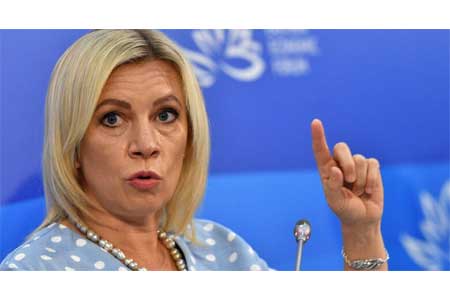 Զախարովա. Ռուսաստանը բողոքի նոտա է հղել Հայաստանին՝ Գյումրիի «Մայր Հայաստան» հուշահամալիրում տեղի ունեցած վանդալիզմի դեպքի կապակցությամբ
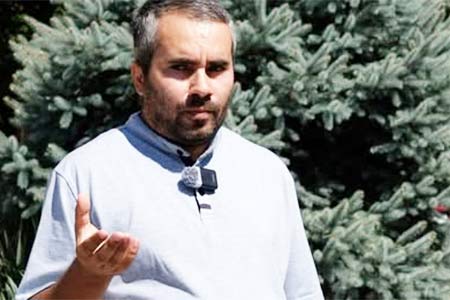 Արցախի մշակութային ժառանգության պաշտպանը Մոսկվային կոչ է արել արձագանքել օկուպացված ԼՂՀ-ում Ադրբեջանի կողմից Հայրենական մեծ պատերազմի հուշարձանների ոչնչացմանը
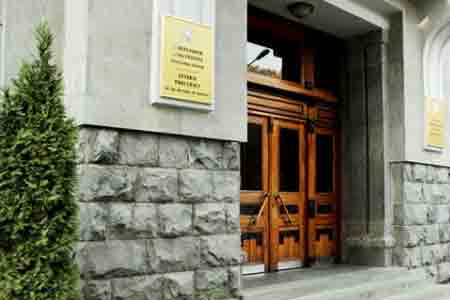 Գլխավոր դատախազությունը դիմել է ԿԸՀ ՝ Ռոբերտ Քոչարյանի նկատմամբ քրեական հետապնդմանը համաձայնության համար
 Նիդերլանդների վարչապետն իր աջակցությունն է հայտնել Հայաստանում ժողովրդավարական բարեփոխումների և տնտեսական դիվերսիֆիկացման օրակարգին
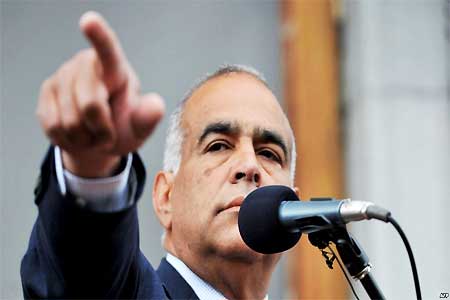 "Ժառանգություն". ժամանակն է, որ Հայաստանի ընդդիմությունը ժողովրդին ներկայացնի իրավատեր այլընտրանք՝ լայն-քաղաքական ու վերկուսակցական, հավաքական նորովի առաջնորդությամբ
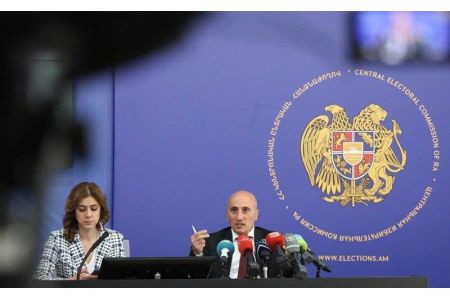 ԿԸՀ-ն չեզոքացրեց ԲՀԿ-ին. Ընտրությունների քվեարկության արդյունքներով Հայաստանի խորհրդարան կանցնի երեք քաղաքական ուժ
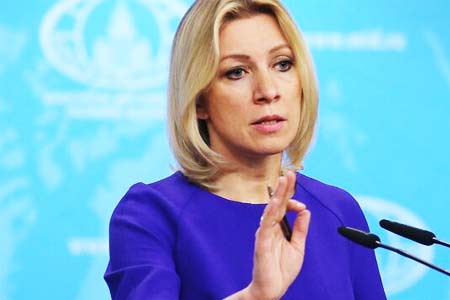 Մոսկվա. Հայաստանում ընտրություններն ուղեկցվել են ընդդիմության նկատմամբ աննախադեպ ճնշումներով
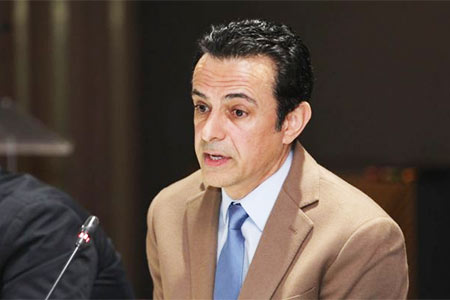 Փորձագետ․ Անգամ ԵԱՀԿ դիտորդները Հայաստանում ընտրությունների ժամանակ բազմաթիվ խախտումներ են արձանագրել
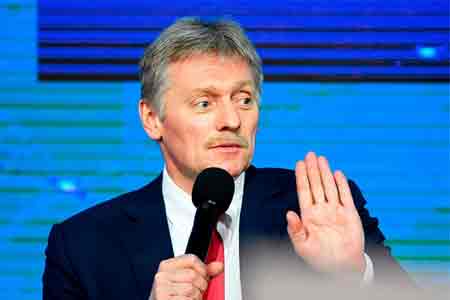 Մոսկվան կսպասի Հայաստանի ընտրությունների պաշտոնական արդյունքներին . Պեսկով
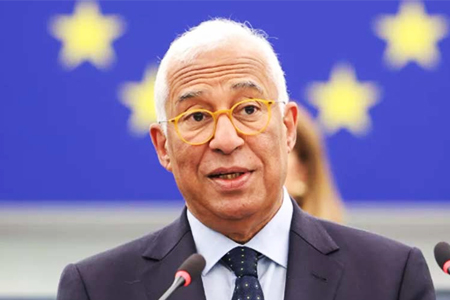 Անտոնիո Կոշտա․ ԵՄ-ն կշարունակի խորացնել գործընկերությունը Հայաստանի հետ՝ ընդլայնելով համագործակցությունը էներգետիկայի, առևտրի և թվայնացման ոլորտներում
 Իսրայելի ԱԳ նախարարը շնորհավորել է Փաշինյանին
 Թուրքիայի ԱԳՆ-ը մեկնաբանել է Հայաստանի ընտրությունների արդյունքները
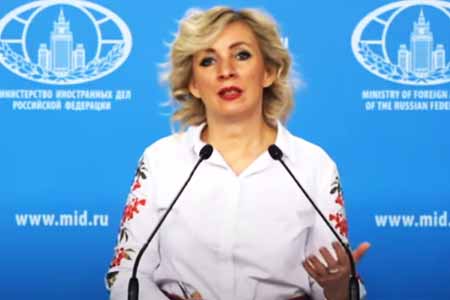 Զախարովա․ Միջազգային դիտորդները չեն կարողանա լռություն պահպանել՝ Հայաստանում ընտրությունների ընթացքում ողջ ժողովրդի շահերի աղաղակող ոտնահարման ֆոնին
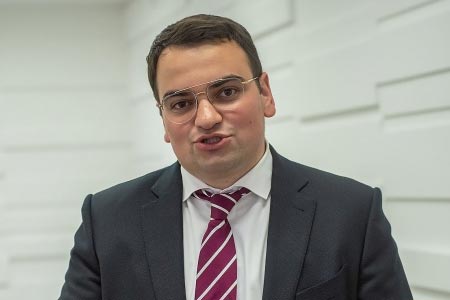 "Ուժեղ Հայաստանը" հանդես կգա հայտարարությամբ՝ իրական հաշվարկների ավարտից հետո․ Նարեկ Կարապետյան