

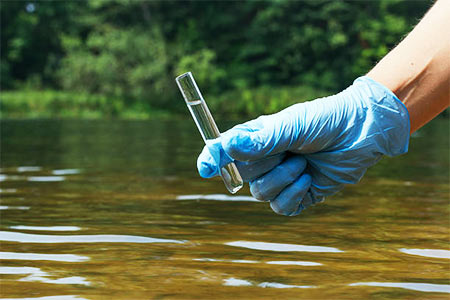
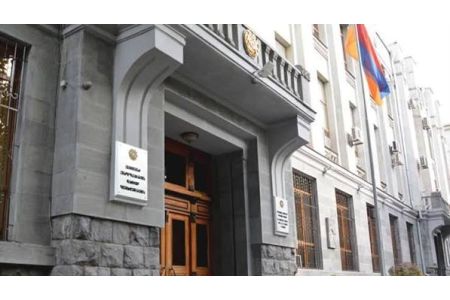
ArmInfo. A criminal case has been opened regarding the water poisoning in the Tsav village watershed. This was reported in a statement by the RA Investigative Committee.
According to a source, the water poisoning was caused by illegal mining and exploration activities in the village area. During the preliminary investigation of the criminal case opened by the RA Investigative Committee, evidence was obtained indicating that Vardenis residents L.A., K.M., and G.M. were illegally conducting mining and exploration work in undeveloped mines near the Tsav village watershed, using hand-held drilling tools. At the scene of the incident, clothing, various construction tools, explosives, and sacks of ore were found and seized at a distance from the drinking water source.
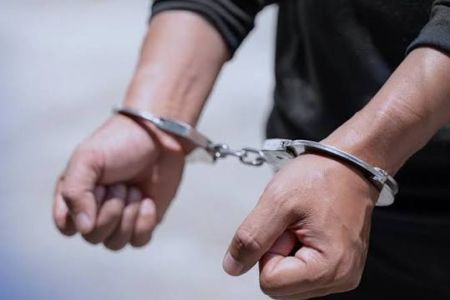
Based on extensive evidentiary and other procedural actions conducted within the criminal case, as well as factual data obtained from information received from the National Security Service and petitions from investigators, the prosecutor decided to initiate criminal proceedings against K.M., G.M., and L.A. under Part 2 of Article 335 of the Criminal Code (illegal circulation of ammunition and other materials, devices, and objects) and Part 1 of Article 383 of the Criminal Code (violation of requirements for the storage or use of mineral resources). One of them has been arrested.
The preliminary investigation of the criminal case is ongoing.
As a reminder, on August 14, mercury levels in drinking water in the village of Tsav in the Syunik region of Armenia exceeded the maximum permissible concentration. The inspection was prompted by a local resident's complaint to the National Center for Disease Control and Prevention. He reported noticing a metallic mass in the tap water in his apartment.
Specialists took a water sample, and laboratory testing revealed mercury levels exceeding the maximum permissible limit. Subsequently, repeat samples were taken at four locations, including directly from the water source and in residents' homes. The results of the repeat testing also confirmed mercury levels exceeding the permissible limit. However, no cases of poisoning among village residents were reported.













 Azerbaijani Studies Expert: While Azerbaijan Prepares Its Generation for War, Aliyev’s Aide Calls on Armenia to Prepare Armenian Society for “Peace”
 Turkologist: Azerbaijan will never, under any circumstances, stop pressuring the Armenian people
 Political scientist: We need to move away from the question of "when" and replace it with more important questions
 International Law Specialist: Azerbaijan intends to initiate legal proceedings against Armenia by sentencing Armenian prisoners
 Russian Security Council: In Armenia, they want to force Russian asset owners to dispose of their assets
 Zakharova: Russia ready to discuss with Armenia the prospects for expanding military cooperation as part of a review of bilateral ties
 Tevanyan: Armenia, like Ukraine and Moldova, is being drawn into the EU’s global war
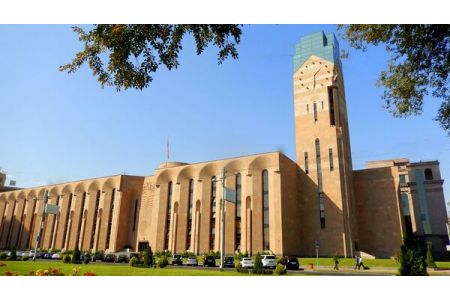 Yerevan City Hall is considering introducing a valet parking system in the city
 Expert: The circus surrounding the “Albanization” of Armenian culture in the presence of foreign ambassadors in occupied Artsakh is genocide
 Political scientist: If Russian-Armenian relations are destroyed, Turkey will take Russia`s place
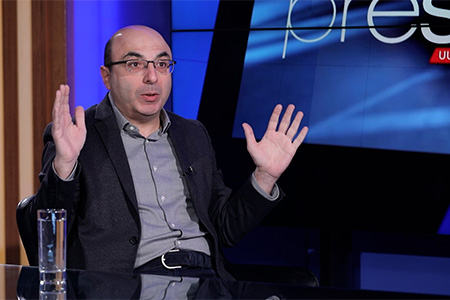 Political scientist: The Armenian public is simply obliged to significantly change the entire content of public discourse and struggle
 Cross tattoos are being removed from the skin of Christian prisoners in Azerbaijan by fire, according to a human rights activist.
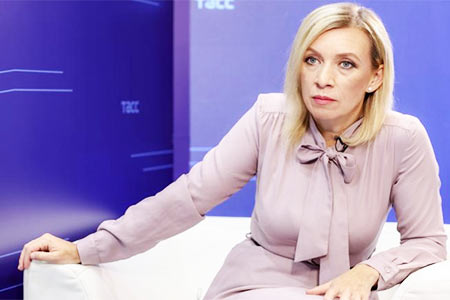 Zakharova: Armenia`s likely introduction of visas with Russia will be a step against Yerevan itself
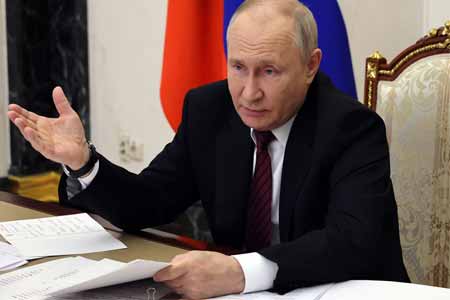 Putin: Armenia`s recognition of Karabakh as part of Azerbaijan in Prague has given Russia`s position on this issue an ambivalent character
 Putin: Armenia`s adoption of the law on EU accession means an announcement of its withdrawal from the Eurasian Economic Union
 Aram Vardevanyan: Public demands solutions, not apology scandals in Parliament
 Arrested Armenian oligarch on economy and new jobs