


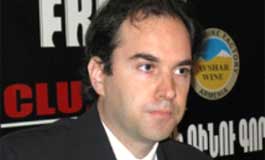
IMF Resident Representative in Armenia Guillermo Tolosa who is completing his mission in the country has called on the Government for drastic steps to significantly improve business and investment environments in the country.
Talking to media, Mr. Tolosa said that despite many unresolved problems, Armenia has made significant breakthroughs over the last years in terms of macroeconomic stability, GDP growth and low inflation, improvement of tax administration and discipline. In addition, he said, the country's key figures have nearly outstripped the pre-crisis level of 2008. Due to these successes, he said, IMF no longer considers Armenia among the poorest countries in the world and has given Armenia a status of an Emerging Markets Country. Other donor organizations will follow IMF's example soon. This new status, he said, necessitates correction of the approaches to cooperation between IMF and Armenia, which will be reflected in a new program of cooperation to be developed after the results of the three-year arrangements EFF/ECF are summed up. The three-year SDR 266.8 million (about US$408.7 million) EFF and ECF arrangements with Armenia were approved by the IMF s Executive Board on June 28 2010.
In response to ArmInfo's question about current dependence of Armenia's economy on foreign transfers (from Diaspora) and low level of economic diversification, Guillermo Tolosa said IMF insists of drastic measures of the Government to turn the tide for that very reason. Tangled up in domestic political problems over the last year Armenia must now work seriously to make drastic reforms. It is time for the policy makers to forget about domestic political issues and refocus on economic problems of the country, Mr. Tolosa said. In fact, coming out of the list of the poorest countries, Armenia needs new economic instruments and expectations. In this light, IMF supports the program of the country's accession to the international debt market where the Government plans to raise $500 million at the first stage and diversify its credit liabilities in such a way.
Mr. Tolosa believes that IMF's call for drastic measures is misinterpreted occasionally. He explained that IMF is quite satisfied with the Government's policy and considers it rather successful, but entering a new stage of development, Armenia must shift focus and "drive fast."
Partially sharing the views of journalists regarding differences in the statistical data on the country's development, precisely, that Armenia's foreign debt per capita have nearly doubled over the last years, the poverty level was back to the data of early 2000, and GNI per capita based on purchasing power parity (PPP) has even declined, Mr. Tolosa urged media to take these data in a single package. He outlined the growing level of tax collection, tax discipline and red tape reduction as positive facts. Nevertheless, he said, the results will become more visible only after business environment is improved in the country.
As regards the fact that direct foreign investments in Armenia for 2012 fell by 40% despite Armenia's growing rating in the WB's Doing Business reports, Mr. Toloso tried to explain that with the financial and economic crisis. Nevertheless, he said, there is certain optimism about successful development of Armenia's economy.
Unfortunately, he said, business environment in the country is not good enough to feed that optimism
It is noteworthy that Teresa Daban, Senior Economist at the International Monetary Fund, having experience in macroeconomic and financial issues in Latin America, will replace Guillermo Tolosa on the position of IMF Resident Representative in Armenia.



















 Քաղաքական գործիչ․ Ընտրողների բարձր մասնակցության դեպքում ներկայիս իշխանությունը, գործնականում, վերարտադրվելու հնարավորություն չի ունենա
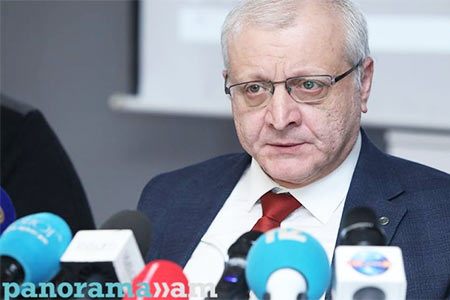 Քաղաքագետ. ընտրողների բավականին բարձր մասնակցությունը վկայում է այն մասին, որ Հայաստանի քաղաքացիներն ակտիվորեն և գիտակցաբար մասնակցում են երկրի ապագայի ձևավորմանը
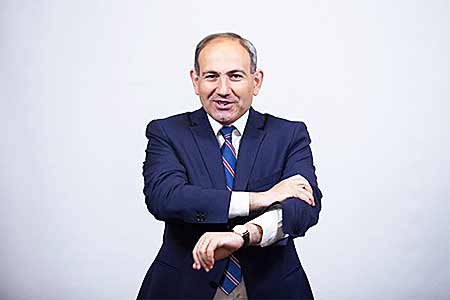 533 ընտրատեղամասերի ձայների հաշվարկով Փաշինյանի կուսակցությունը առաջատարն է 51,13%-ով
 Հայաստանում ավարտվեց երկրի հերթական խորհրդարանական ընտրությունների քվեարկությունը
 «Ուժեղ Հայաստան». Վարչական դատարանը դատական ակտեր չի տրամադրում խորհրդարանական ընտրություններում քվեարկել ցանկացող քաղաքացիներին
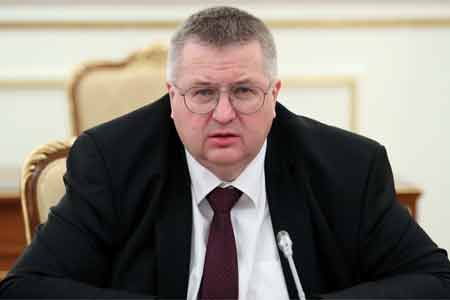 Ռուսաստանը փորձում է Հայաստանին հասցնել, որ ԵՄ-ը, գործնականում, արդեն փոխակերպվել է ռազմաքաղաքական դաշինքի․ Օվերչուկ
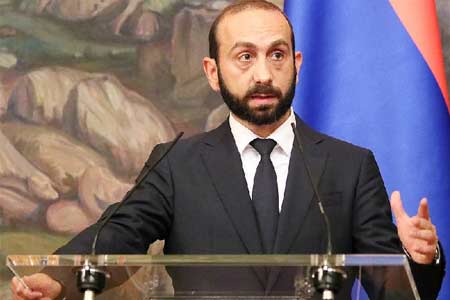 Հայաստանի ԱԳ նախարար․ Հայաստանի եւ Ռուսաստանի հարաբերություններն առողջացման կարիք ունեն
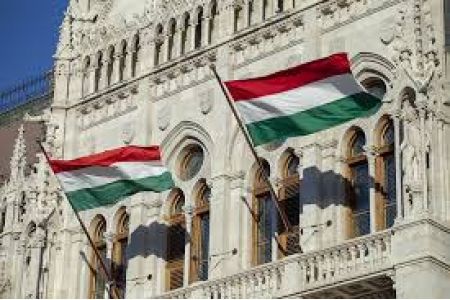 Հունգարիան դադարեցնում է աշխատանքային վիզաների տրամադրումը Ֆիլիպինների, Վրաստանի և Հայաստանի քաղաքացիներին