

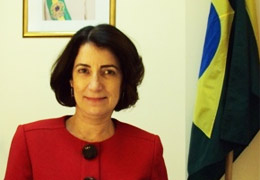
Mrs. Ambassador, during the March 11 2013 visit to Armenia, Brazil's Deputy Foreign Minister Vera Machado
pointed out that Brazil is
interested in developing relations with Armenia. In what spheres is Brazil going to
cooperate with our country and at what level is the legal and regulatory
framework between the two countries?
During her visit to Yerevan, Brazil's Vice Minister of External Relations,
Ambassador Vera Machado, and Armenian Foreign Minister, Edward
Nalbandian, discussed the current stage of bilateral relations. The sides
pointed out that there is a great potential between the two countries to
promote cooperation in various spheres. I should mention that since the opening
of Brazil’s Embassy in Armenia, in
2006, our countries have established cooperation in a number of fields,
particularly, in the cultural area. For instance, the Embassy of Brazil in Armenia sponsored the visit of important figures
from the Armenian community in Brazil
to the Republic
of Armenia.
Regarding the legal framework,
currently there are two agreements in force between our countries: the first
one is in the area of culture cooperation and the other is concerning the visa
exemption for holders of diplomatic and official passports. There are two
Memorandum of Understanding – i) on political consultations and ii) on sports
and youth cooperation – whose texts have already been agreed upon and await
signature. Besides, the two countries are negotiating agreements in the area of
technical cooperation, particularly in the areas of healthcare, agriculture, education,
and in the area of harmonization of customs norms. Also, Brazil proposed
to the Armenian authorities a draft agreement on the performance of remunerated
activities by dependents of diplomatic, consular, military, administrative, and
technical staff.
However, even without the proper
legal framework in place, Brazil
has developed an extensive program of capacity building in the field of civil
defense in Armenia, which
encompassed three visits of Brazilian delegations to Armenia
and two visits of Armenian delegations to Brazil. In the meantime, Brazil also provided
its support in the field of emergency situations and environmental problems. In
order to mitigate the consequences of the environmental disaster in Noubarashen,
connected with spill of toxic waste, Brazil allocated nearly $100,000 to
refurbish the toxic waste laboratory in the region and donated a vehicle to the
Ministry of Nature Protection. Brazil also
made donations to the Armenian Government through UNICEF to help overcome the infant
nutrition problems, especially in the most affected regions of the Republic.
Vice Minister Machado and Minister Nalbandian
came to an agreement that the two countries have a big potential for
cooperation, and that this potential should be explored further. The exchange
of the officials’ visits will contribute to that. It will allow studying
possible spheres of collaboration and working out new and more effective
projects to strengthen bilateral relations. Thus, we need to intensify the
visits of high level officials from Brazil
and Armenia,
to identify the needs and put in place strong basis for strengthening the
relationship. To note, the contractual and legal framework between the two
countries also needs to be expanded, and, as I mentioned before, specific steps
are being taken in this direction.
The National Statistical Service of Armenia
says that the imports of goods made in Brazil grew by 11.8% in 2012 and
totaled $93.2 mln. Will the commodity turnover between the two countries keep
on growing? May Armenian products be exported to the Brazilian market in the future
given that the exports dropped to the zero level in 2012, according to the same
statistical data?
Brazil is ready to expand the cooperation
if new prospects open. The trade turnover between the two countries is rather
low, and both Minister Nalbandian and Vice Minister Machado mentioned it. By my
data, the volume of products exported to Armenia
by Brazil
totaled $34.2 mln in 2012, which is not a high indicator. But this is connected
with the differences between the two countries. The problem is not only in low
export of Brazilian goods to Armenia,
but also the exports of Armenian products to Brazil.
In 2012, our exports to Armenia grew by 6.6% as compared to 2011, while
imports of Armenian goods to Brazil
dropped by 89% as compared to 2011 and totaled $19 thousands. The Brazilian
products entering the Armenian market remain the same – meat and meat products,
sugar, coffee and tobacco. Brazil
is interested in the expansion of Armenian exports, specially of products such as
electric appliances, minerals, and mostly molybdenum. I should also mention
that Brazil
has a big demand for Armenian brandies. Undoubtedly, there are resources and
opportunities to increase the trade turnover between the two countries, but
there are also obstacles, first of all, the distance. But everything can be
overcome in case of mutual interest and efforts. This was also pointed out
during the meeting of the RA Minister of Economy and Vice Foreign Minister of
Brazil. For that purpose the two sides should set up missions and organize
mutual trade forums to create the favorable conditions and to familiarize the
two countries with their economic potential. Certainly, we cannot force the
businesses to cooperate, but we can create favorable conditions for them. The
Government of both countries should support the business circles in this matter
by providing relevant business platforms for cooperation. An arrangement to
increase the trade turnover between Armenia
and Brazil
could be designed and implemented. In this context big opportunities for
cooperation could be explored, but, certainly, this can be reached through mutual
efforts.
You have said that in Brazil
you have a certain demand for the Armenian brandy. Is the Armenian side doing
anything to export it?
This is not for us to say. This
initiative must come from Armenia.
Should there be a mutual interest, the Brazilian Embassy can help to find
partners in Brazil.
We can just support initiatives but not arrange them. There have been no such
requests during my stay in office. We have no information about the export of
the Armenian brandy to Brazil.
There is a possibility that some Armenian businessmen might have applied with
such requests to the Embassy of Armenia in Brazil,
but as far as our Embassy is concerned, we have not so far been asked to search
for such partners in Brazil.
Have you received any requests from Brazilian businessmen for organizing
business in Armenia?
We have received lots of such
proposals from both Armenian and Brazilian businessmen, but we have no information
about the outcome of their negotiations - for companies do not usually inform
us about their talks. There was a case when one Armenian company asked the
Brazilian side through the Government of Armenia to find an investor in Brazil, but
while the Brazilians were looking for the partner, another country was faster
and found an investor who signed contract with that company.
In what international organizations do Armenia
and Brazil
cooperate? And how effectively do they do it?
On an international level we
cooperate mostly in the framework of the United Nations. Naturally, we do not
cooperate within European organizations since we are not members to them. At
the UN we cooperate quite effectively and try to help each other where
necessary. Of course, your support here is bigger than ours as we have more
representatives to the UN than you have. We also try not to hinder each other
when one of us is not interested in some issue. So, I can say that our
countries enjoy quite successful cooperation.
Brazil is home to quite a big Armenian community. What role does it play in
your country’s social-political life? Do you have high-ranking officials of
Armenian origin?
The Armenian community of Brazil is quite
active. We have about 40,000-45,000 Armenians, who live mostly in São Paulo, our most
prosperous state. They are actively engaged in our political, economic and
cultural life. In the Brazilian Ministry of External Relations there are many Brazilian-Armenians,
who are mostly diplomats, like misters Ohanian, Bahadian, Arslanian, Karmirian,
Gasparian who are all quite influential people. We have a lot of active
businessmen of Armenian origin. One of the biggest of them is the Burmaians, who
are engaged in trade and finance.
Armenians are also very active in
culture. One of the most popular Armenians in this field is actor Stepan
Nercessian, who visited Armenia
in 2009 on our invitation. We organized the screening of his film. He met with
President of Armenia Serzh Sargsyan, the Catholicos of All Armenians and the
Prime Minister. Nercessian is a member of the Brazilian Parliament, where he
actively promotes the interests of the Armenian community. Also very popular in
Brazil is actress Aracy
Balabanian, who performed the role of Dona Armenia.
Armenians are quite influential in Brazil, and we are proud that in 2009 we were
able to organize in Armenia
an exhibition about the first immigrants in Brazil. The story said that the key
reason why the man left his country for Brazil was his love for a woman.
But, to be more serious, the key cause was the WWI.
Our city of Osasco is the twin town of your Gyumri. When
visiting Osasco, the Mayor of Gyumri granted his
Brazilian counterpart a cross stone, which is now at one of Osasco’s public squares. Brazil has all
conditions for the local Armenians to preserve their culture. We have Armenian
churches, schools, and clubs. On the other hand, our Armenians are fully
integrated into our society.
You said there is a cultural contract contact between Armenia and Brazil. What events are organized
within the frames of this contract?
The screening of Brazilian films as
well as musical presentations was organized both in Yerevan and Gyumri. As for the organizing of
official Armenia’s Culture
Days in Brazil,
there was no such event, as I know. The Armenian Embassy in Brazil should
initiate and organize such an event. Unfortunately, similar events are not
planned be held in Armenia
in the near future, as our country has to cut its budgetary funds, because of
the global financial and economic crisis. However, several separate events will
be implemented over the current year. In particular, the screening of Brazilian
films, the week of the Brazilian “capoeira” will be also held, during which
Brazilian musicians and dancers will perform for the Armenian audience.
Are the high level mutual visits scheduled between the two countries?
Such visits have not been scheduled
yet. However, Brazil has a strong
wish to organize a high level visit to Armenia. The visit has been already
endorsed by the Ministry of External Relations of Brazil, but the terms of the
visit have not been specified yet because of tight schedules of high ranked
officials from both countries.
Thank you for the interview.













 Քաղաքական գործիչ․ Ընտրողների բարձր մասնակցության դեպքում ներկայիս իշխանությունը, գործնականում, վերարտադրվելու հնարավորություն չի ունենա
 Քաղաքագետ. ընտրողների բավականին բարձր մասնակցությունը վկայում է այն մասին, որ Հայաստանի քաղաքացիներն ակտիվորեն և գիտակցաբար մասնակցում են երկրի ապագայի ձևավորմանը
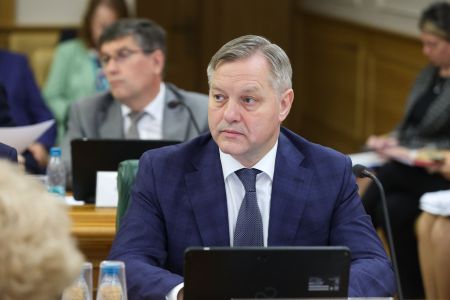 ԱՊՀ ՄԽՎ խորհրդի քարտուղարության ղեկավար. Հայաստանում խորհրդարանական ընտրությունների քարոզարշավի չափազանց դժվար մթնոլորտը ուղեկցվեց զանգվածային ձերբակալություններով
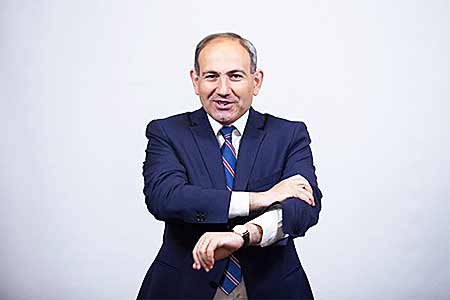 533 ընտրատեղամասերի ձայների հաշվարկով Փաշինյանի կուսակցությունը առաջատարն է 51,13%-ով
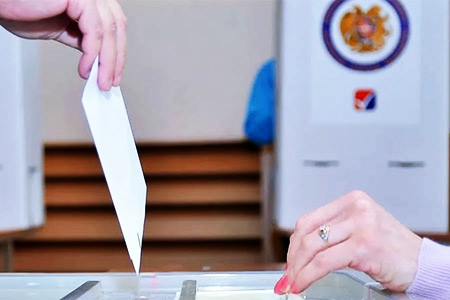 Հայաստանում ավարտվեց երկրի հերթական խորհրդարանական ընտրությունների քվեարկությունը
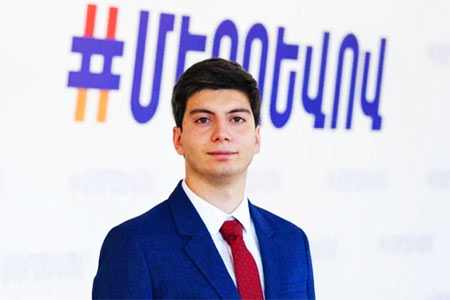 «Ուժեղ Հայաստան». Վարչական դատարանը դատական ակտեր չի տրամադրում խորհրդարանական ընտրություններում քվեարկել ցանկացող քաղաքացիներին
 Ռուսաստանը փորձում է Հայաստանին հասցնել, որ ԵՄ-ը, գործնականում, արդեն փոխակերպվել է ռազմաքաղաքական դաշինքի․ Օվերչուկ
 Հայաստանի ԱԳ նախարար․ Հայաստանի եւ Ռուսաստանի հարաբերություններն առողջացման կարիք ունեն